PV Tech and Tongwei Solar are co-hosting a webinar exploring the company’s shingled modules and the advantages they bring to projects. To register for the webinar, which takes place at 3:00 PM (BST) on 18 October, please click here.
Product Outline:
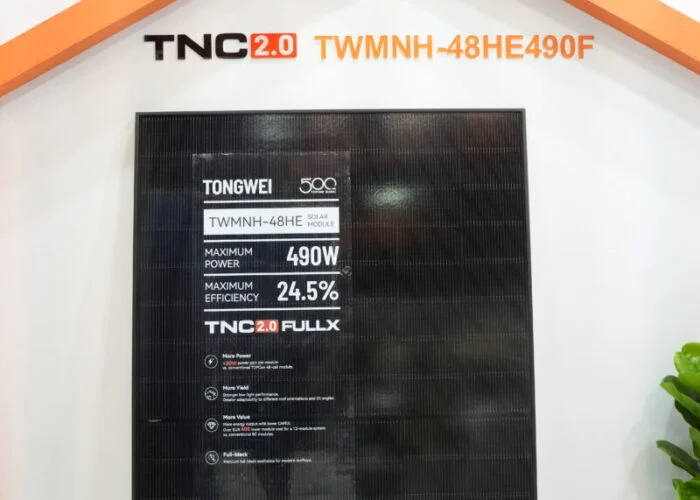
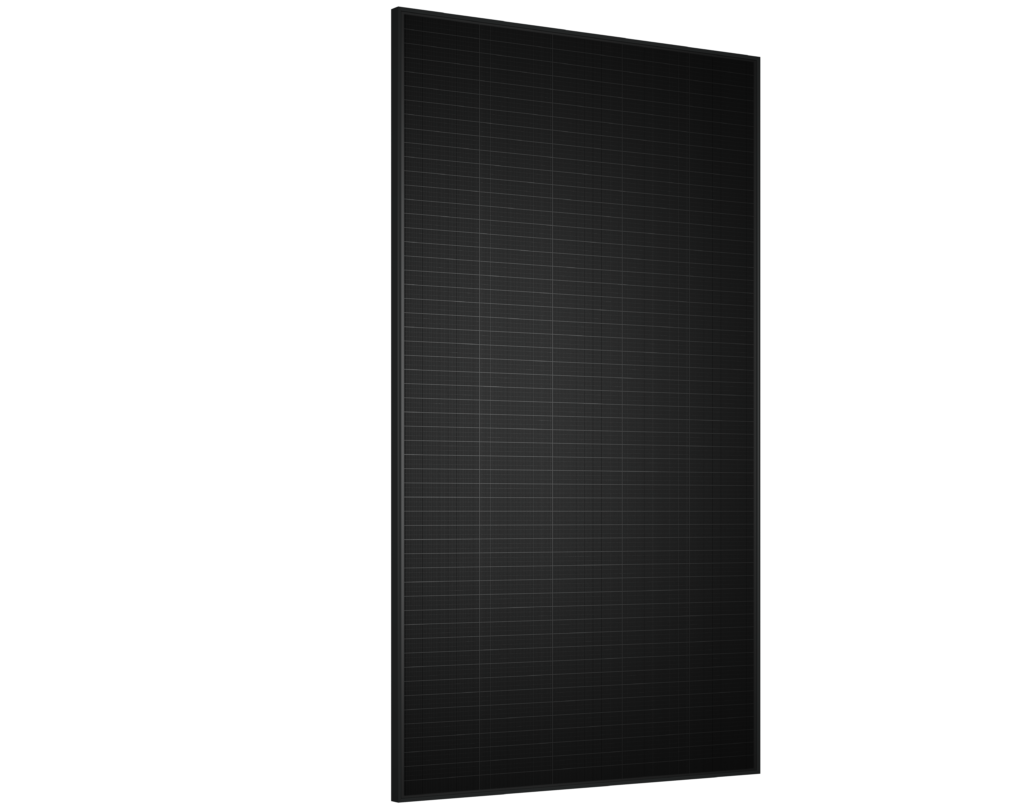
Tongwei Solar’s shingled modules, built on 210 cells, are based on the company’s innovative patented shingled technology, forming flexible interconnects and a unique internal circuitry, enabling higher efficiencies and better power generation performance. The maximum power of a single module can now reach 670W and efficiency has been enhanced to 21.6%.
This article requires Premium SubscriptionBasic (FREE) Subscription
Already a subscriber? Sign In
Try Premium for just $1
- Full premium access for the first month at only $1
- Converts to an annual rate after 30 days unless cancelled
- Cancel anytime during the trial period
Premium Benefits
- Expert industry analysis and interviews
- Digital access to PV Tech Power journal
- Exclusive event discounts
Or get the full Premium subscription right away
Or continue reading this article for free
Problem:
- With the rapid development of renewable energy sources around the world, land resources available for projects are becoming increasingly scarce. This requires PV systems to maximise power generation and efficiency in order to achieve maximum return on investment from each project.
- During module operation, the risk of hot-spots not only affects power output, but also causes safety risks, potentially reducing module durability.
- The solder ribbons inside the modules contain lead, which can cause environmental pollution.
Solution:
- In comparison to other module BOS costs, Tongwei’s shingled modules feature higher power. Their utilisation of bracket, pipe pile and cabling is higher, resulting in a reduction in construction cost per watt of a power station and, logically, lower levels of investment.
- Compared to conventional modules, shingled modules involve a cell cut into strips. The technology results in both string current within the module and the risk of hot-spots being lower.
- Shingled modules use shingled bonding technology instead of connection via solder ribbons, so lead content is also significantly reduced. Testing has shown that Tongwei’s shingled modules are resistant to extreme weather conditions and perform better under shading, resulting in extended working life and service condition.
Application: Household, commercial and industrial and centralised systems.
Availability: Currently available.