Japan is to accelerate research and development of next generation solar technologies as part of a bid to establish a net zero economy by 2050.
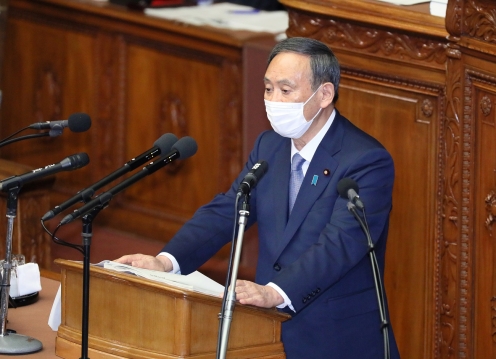
Speaking yesterday (26 October 2020), Japan’s Prime Minister Yoshihide Suga – elected in September following the resignation of Shinzo Abe – unveiled a significant shift in national policy by establishing a 2050 target date by which the nation must be carbon-neutral.
Try Premium for just $1
- Full premium access for the first month at only $1
- Converts to an annual rate after 30 days unless cancelled
- Cancel anytime during the trial period
Premium Benefits
- Expert industry analysis and interviews
- Digital access to PV Tech Power journal
- Exclusive event discounts
Or get the full Premium subscription right away
Or continue reading this article for free
In doing so, Japan has joined other major economies by committing to a net zero target date.
And solar PV looks set to play a critical role in the country’s decarbonisation strategy. Suga said Japan would accelerate R&D of innovative solutions deemed key to the target, namechecking next-generation solar cells in particular, to bring them into more practical and widespread applications.
There was no further information on context provided to Suga’s statement, such as which technologies in particular the Prime Minister was referring to.
Policies and regulatory reforms will be brought forward in order to realise that goal and promote further green investment, Suga said, while the PM also paved the way for greater proliferation of solar PV and other renewables by stating the country would introduce such forms of energy to “the maximum extent”.
While Japan remains an attractive proposition for renewables investment – domestic telecom giant NTT revealed it was planning to invest up to US$1 billion a year in the sector up to 2030 in June – the extent at which a major push for solar R&D could be effective is unclear considering how the country’s major domestic manufacturers of solar cells and modules have ceded ground to their Chinese rivals in recent years, or have become dependent on Chinese manufacturers. This includes the likes of Panasonic and Sharp, prior to the latter's merger with Taiwan electronics giant, Foxconn.