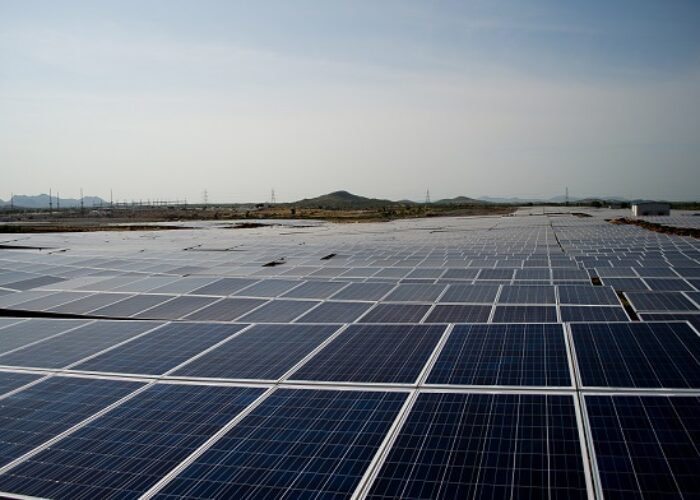
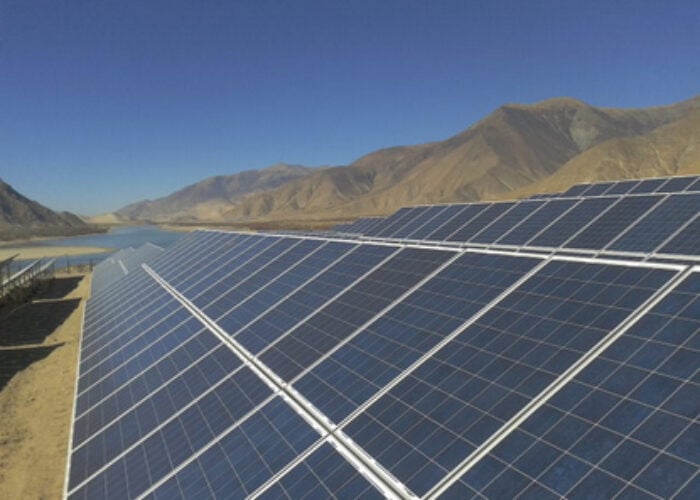
California-based SunLink strikes deal with engineering firm Ganges Internationale to deploy 1.4GW of solar power in India, starting with tracker project northwest of Bangalore.
Indian renewable energy firm, Tata Power Solar, a subsidiary of Tata Power, has commissioned a 100MW solar project under local content requirements in Anantapur, Andhra Pradesh.
The Indian state of Madhya Pradesh plans to extend its guarantee to developers bidding for capacity in the 750MW Rewa Ultra Mega Solar Park, so that payments will be met by the government in the case of any default from the off-takers.
NV Energy has requested regulators for permission to retire a utility-owned coal plant 10 months early, as well as for approval of a new 100MW solar plant.
A member of the Alabama Public Service Commission (PSC) has sought a lease for a community solar plant on his land, that would pay US$5.6 million over a 25-year lease, despite previously voting against net metering for the state, said reports.
Renewable energy developer Mytrah Energy has awarded a contract to PV inverter manufacturer Sungrow to provide 150MW of central inverters for its projects in the Indian states of Telangana and Punjab.
Omotayo Dairo, founder and chief executive of Nigeria-based wind and renewable energy firm Quintas Renewable Energy Solutions, discusses whether Nigeria's recent PPA signings will translate into realised projects.
In this week's Movers & Shakers, PV Tech centres in on employment news in the US, as we examine career shifts in storage, manufacturing, non-profit and integrated energy companies.
Dedicated US residential solar installer Sunrun reported second quarter 2016 financial results that included higher than guided installations but a small reduction in expected full-year installations.