LONGi Solar is to become the latest leading PV module manufacturer to have shipments blocked from entering the US, reports have suggested.
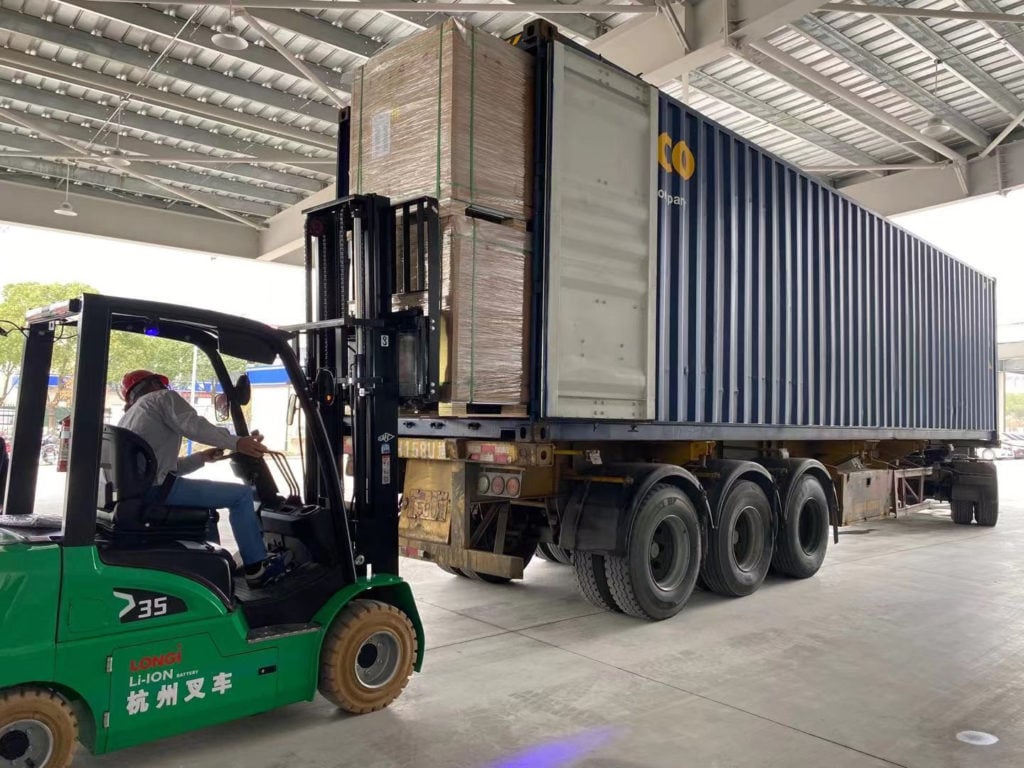
Yesterday a note issued by investment firm ROTH Capital stated that it had learned LONGi had been informed by US authorities that shipments currently bound for five US ports would be seized by US Customs and Border Protection (CBP) officials in relation to a Withhold and Release Order (WRO) issued against polysilicon products produced by Hoshine Silicon Industry, amongst others.
Try Premium for just $1
- Full premium access for the first month at only $1
- Converts to an annual rate after 30 days unless cancelled
- Cancel anytime during the trial period
Premium Benefits
- Expert industry analysis and interviews
- Digital access to PV Tech Power journal
- Exclusive event discounts
Or get the full Premium subscription right away
Or continue reading this article for free
The WRO was announced and came into effect in late June. At the time, officials from the US Department of Commerce (DOC) and CBP stressed that the investigation was still very much live and a fluid process, wherein further companies and manufacturers were at risk of being targeted.
It wasn’t until August when the first reports of WRO enforcement emerged, with JinkoSolar said to have had module shipments of various sizes seized at the US border. Trina Solar and Canadian Solar were also reported to have shipments seized, however these were understood at the time to be sample modules bound for US offices of the respective manufacturers.
An extension of the WRO’s reach to include LONGi Solar, one of the largest suppliers of solar modules for the US market, would however represent a considerable escalation at a time when module supply to the US market is already constrained.
Requests for comment from officials at LONGi Solar had yet to be returned at the time of publication.
Developers in the US have previously voiced frustration at the nature of WRO enforcement, with little to no warning offered to either importer or exporter that shipments are to be seized. Neither is an official list of companies suspected of WRO infringement published by the DOC, prompting developers to call for greater clarity and transparency.
Speaking to PV Tech Premium previously, John Breckenridge, CEO at US solar and storage developer Arevon Energy, warned of the potential for WRO enforcement to create “total chaos” for the solar industry.
“To just abruptly stop panels at the border without any sort of way for the industry to have been prepared for that has a huge cost to it, potentially,” he said.
Concern has also been raised about the process of complying with DOC investigations relating to the WRO or having shipments released, with the burden of compliance placed firmly on the manufacturer. Comprehensive documentation proving that the product’s full bill of materials and component list does not include products from entities named in the WRO must be supplied within 90 days of the seizure, or importers must arrange for shipments to be exported elsewhere.
While established solar manufacturers are understood to have been building towards this level of transparency, the difficulty of providing it further upstream than the wafer is said to be a significant stumbling block, especially with the solar industry’s blending of different polysilicon supplies in the manufacturing process.
Compliance with the WRO is also likely to add further costs to module supplies already beset by surging material and shipping prices. Yesterday’s note from ROTH suggested that Trina Solar had “meaningfully stopped” the flow of modules to the US market following its own issues with WRO-related investigations and had changed terms on customers, increasing prices by around US$0.10c/W to reflect the greater administrative burden.