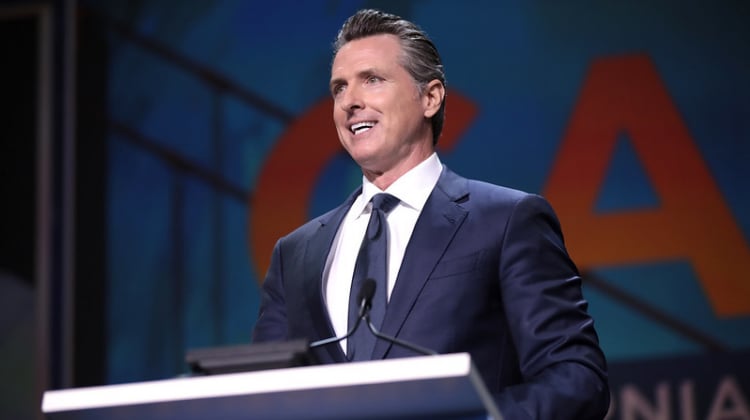
California governor Gavin Newsom said there is “more work to be done” on the state’s net metering laws and that “changes need to be made” to proposals that have been proven highly contentious in the state.
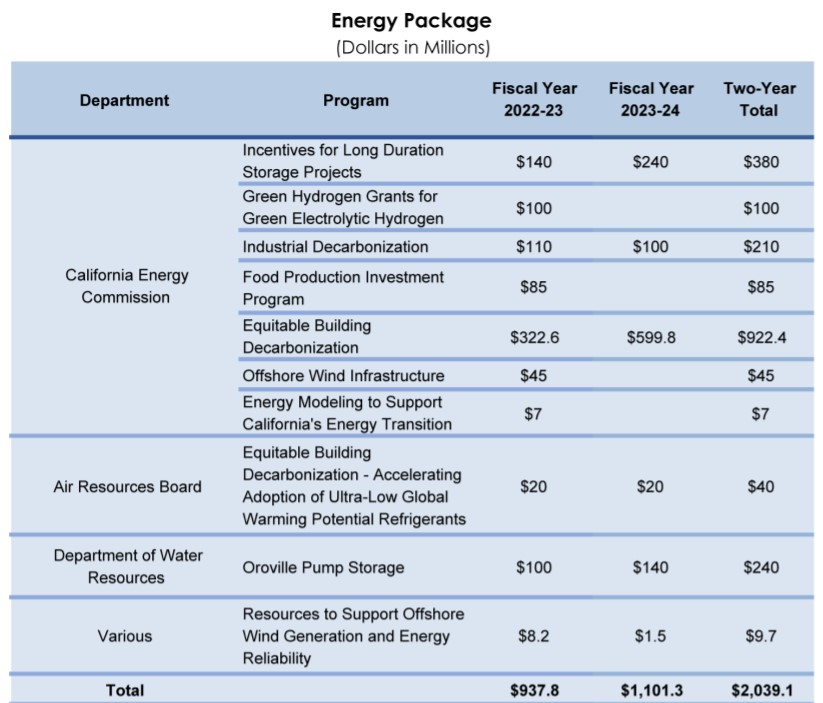
The comments were made during a presentation of the state’s new budget, which has allocated US$2 billion for a ‘Clean Energy Investment Plan’ that includes investments in long duration energy storage and green hydrogen production.
Try Premium for just $1
- Full premium access for the first month at only $1
- Converts to an annual rate after 30 days unless cancelled
- Cancel anytime during the trial period
Premium Benefits
- Expert industry analysis and interviews
- Digital access to PV Tech Power journal
- Exclusive event discounts
Or get the full Premium subscription right away
Or continue reading this article for free
In December, California regulators proposed a raft of changes to the state’s solar incentive programme, including reducing the credit homeowners with PV systems would receive for selling excess electricity back to the grid.
The proposal from the California Public Utilities Commission (CPUC) would revise rules for the net energy metering (NEM) policy and create a net billing tariff that, it claims, “balances the needs of the electric grid, the environment and consumers”.
CPUC said that the previous iterations of NEM 1.0 and 2.0 caused “equity concerns due to the misalignment between costs and value” and created “revenue under-collections that must be recovered by nonparticipating customers”. In short, it argued that customers without rooftop solar were paying more and subsidising those with PV systems through higher grid maintenance and transmission costs.
But the new proposals have proven highly contentious and have been slammed by environmental coalitions, climate activists and clean energy advocates. Bernadette Del Chiaro, executive director of clean energy business group California Solar & Storage Association, said the CPUC proposal would see California “abandon its long-held position as a clean energy leader”, adding: “Governor Newsom needs to clean this mess up and get California back on track as a solar leader.”
“We welcome the governor’s comments and respectfully urge him to use his voice and full authority to stop the ill-conceived plan,” said Ken Cook, president of non-profit civil action organisation Environmental Working Group (EWG). “It is clearly meant to increase profits for the utilities and crush the only competition they now face – the competition from Californians who are investing to install solar panels and, increasingly, battery storage on homes, businesses, schools and in communities.”
Newsom’s comments during the budget presentation suggest the state’s political administration does not agree with the current proposals, with Newsom noting that a decision on any potential changes to the law was coming “very shortly”.
A final vote on the proposals is scheduled for 27 January 2022.
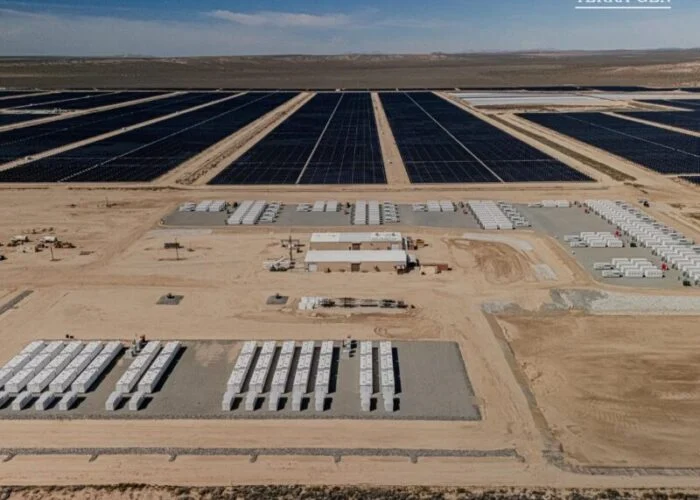
The governor also expanded on the state’s budget that will see US$380 million invested over two years into “long duration storage projects throughout the state to support grid reliability” as well as US$100 million to “advance the use and production” of green hydrogen, which is “critical to the decarbonisation of California’s economy and achieving carbon neutrality”.
The graph below outlines the funding available for various sectors under California’s new Clean Energy Investment Plan.