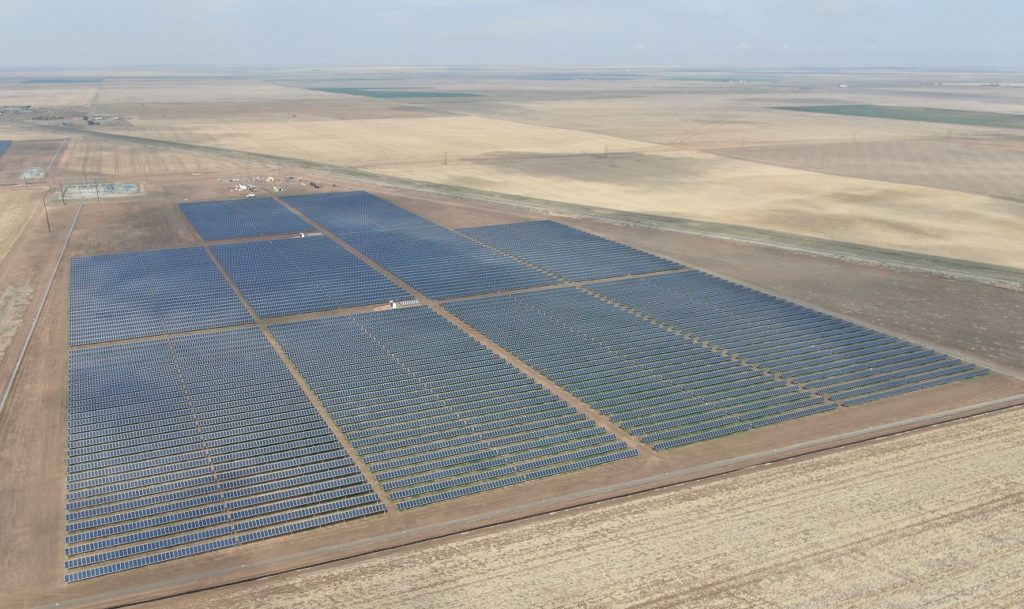
Rents and fees for deploying solar and wind on US federal lands are set to be substantially reduced as part of a new policy from the Biden administration aimed at enhancing rate predictability for developers.
The move will, on average, decrease rents and fees by more than 50% due to lower acreage rents and a “standard megawatt fee that promotes more efficient wind and solar or hybrid projects” on public lands, according to the Department of the Interior.
Try Premium for just $1
- Full premium access for the first month at only $1
- Converts to an annual rate after 30 days unless cancelled
- Cancel anytime during the trial period
Premium Benefits
- Expert industry analysis and interviews
- Digital access to PV Tech Power journal
- Exclusive event discounts
Or get the full Premium subscription right away
Or continue reading this article for free
The department said the rate reduction policy for solar and wind will incentivise industry to partner in responsible renewables development.
“Clean energy projects on public lands have an important role to play in reducing our nation’s greenhouse gas emissions and lowering costs for families,” said Secretary of the Interior Deb, Haaland.
The announcement comes after the Department of the Interior revealed earlier this year it is on track to surpass its target of permitting 25GW of solar, onshore wind and geothermal energy on public lands by 2025.
It is set to approve around 29.6GW of solar on public lands between 2022 and the end of 2025.
Recognising the significant momentum around building a clean energy economy, the Bureau of Land Management is scaling up its renewables project processing capacity through the creation of five coordination offices in Arizona, California, Nevada, Utah and Washington DC.
The offices are expected to improve coordination with other federal agencies such as the Environmental Protection Agency and the departments of agriculture, energy and defense.
US Energy Secretary Jennifer Granholm flagged concerns last month however, about the country’s ability to move to a carbon pollution-free power sector by 2035 unless there is a quick resolution to the Department of Commerce’s ongoing solar tariff investigation.