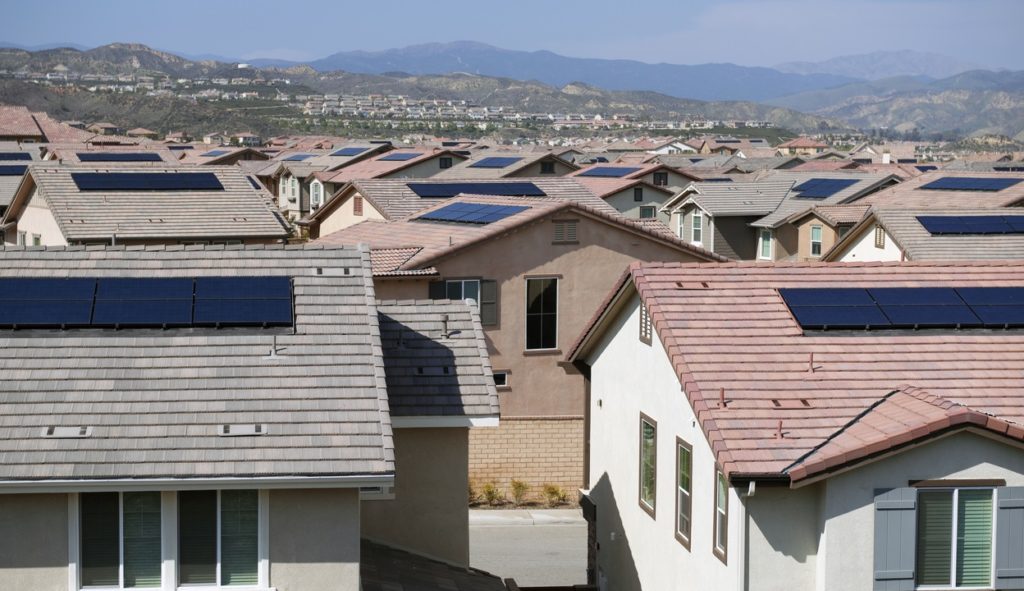
A coalition of 347 organisations has warned that potential changes to California’s policy support for rooftop solar could set back climate change progress and harm low-income residents’ access to solar energy.
An open later sent by campaign group Save California Solar to state Governor Gavin Newsom and the California Public Utilities Commission (CPUC) calls on policymakers to keep solar affordable as the Newsom Administration considers changes to net energy metering (NEM), a policy that defines how solar users send energy back to and interact with the grid.
Try Premium for just $1
- Full premium access for the first month at only $1
- Converts to an annual rate after 30 days unless cancelled
- Cancel anytime during the trial period
Premium Benefits
- Expert industry analysis and interviews
- Digital access to PV Tech Power journal
- Exclusive event discounts
Or get the full Premium subscription right away
Or continue reading this article for free
NEM allows customers with rooftop PV systems to receive a financial credit on their electric bills for any surplus energy fed back to their utility.
According to the coalition, proposals by California utilities “would drastically reduce the credit solar consumers receive for the excess energy they produce”. The group said: “We are concerned that ill-informed changes to net metering, such as slashing solar bill savings or imposing new fees on solar users, will set back California’s climate change and environmental justice goals.”
Earlier this year, three utilities – Pacific Gas and Electric Company, San Diego Gas & Electric Company and Southern California Edison – submitted a proposal that would add monthly grid maintenance and customer service charges for new adopters of rooftop solar. They claim that the current net metering policy means “rooftop solar customers do not pay their full share for use of the grid”.
However, Save California Solar said the changes to net metering is out of step with California’s environmental goals and the growing need for reliable energy supply in the face of wildfires and grid outages.
“California is in a climate emergency, with record-shattering heatwaves, drought and wildfires spreading across the state. With so much at stake, California gutting net metering would reverse our trajectory as a leader in solving global warming right when our leadership is needed most,” said Laura Deehan, state director at policy group Environment California.
The Save California Solar coalition is instead calling on CPUC to strengthen net metering by making it easier and more affordable and by increasing battery accessibility.
The alliance has proposed improvements to net metering to meet goals such as increasing the pace of rooftop PV deployment and bringing more rooftop solar to low-income families and communities. With batteries helping households to keep their lights on during power outages, the group is also calling for California to strive for 1 million installed solar-charged batteries by 2030.
Battery storage deployment in California could also be supported by rules approved last month by the California Energy Commission that would require new buildings, including multi-family housing and commercial structures, to be equipped with both solar and battery storage.