Solar PV and solar-wind hybrid project bids in various Indian government schemes which were finalised by before 9 March 2021 but not yet complete have had their deadlines extended to March 2024.
The extension, enacted by the Ministry of New and Renewable Energy (MNRE), applies to solar PV and solar PV-wind hybrid projects that were finalised by three government agencies: SECI, NTPC and the NHPC.
Try Premium for just $1
- Full premium access for the first month at only $1
- Converts to an annual rate after 30 days unless cancelled
- Cancel anytime during the trial period
Premium Benefits
- Expert industry analysis and interviews
- Digital access to PV Tech Power journal
- Exclusive event discounts
Or get the full Premium subscription right away
Or continue reading this article for free
Projects whose bids were finalised before the announcement of the implementation of the basic customs duty (BCD) – on 9 March 2021 – with the three government agencies will see their deadline for completion extended to take account of COVID-19’s disruption of supply chains.
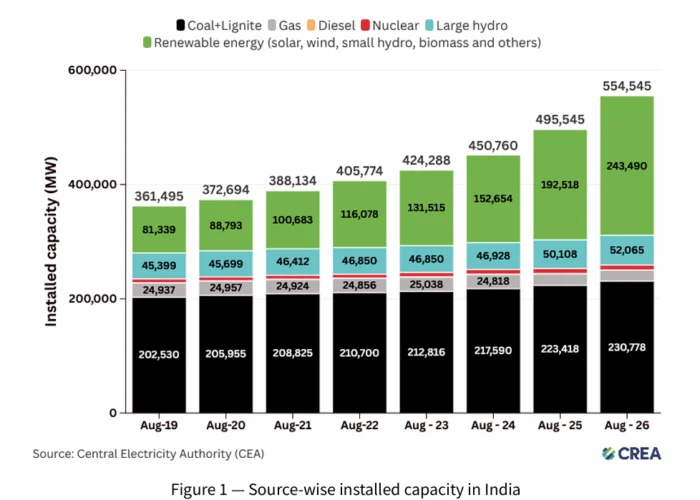
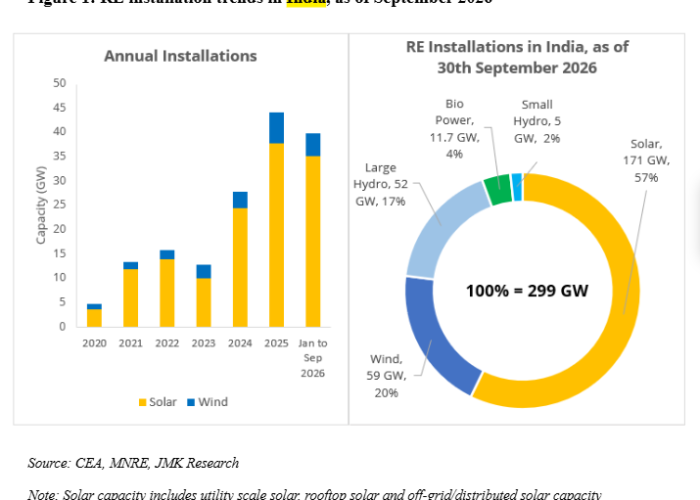
Since the implementation of the BCD in April 2022, the solar industry in India was met with disruptions in module availability and projects being delayed during 2022 and ended up missing its target of 175GW of renewable capacity installed by the end of last year.
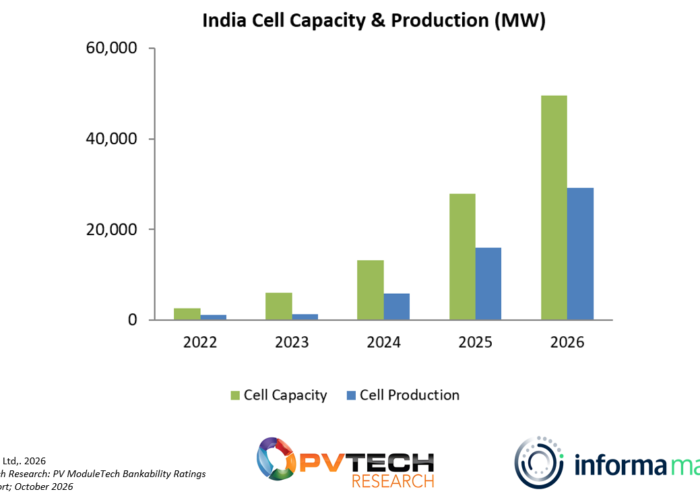
Even though the production-linked incentive scheme – which was launched in 2021 – is expected to boost module manufacturing in India, the pace of the capacity added will not be fast enough to meet the demand for modules in 2023.
However, recent research from analyst and consultancy Mercom India Research forecasts the country to reach an annual capacity of 95GW of module manufacturing by 2025.
Later this week, on 1 February India is set to unveil its Union Budget 2023-2024 which should include tax breaks for energy storage according to the India Energy Storage Alliance, as covered by our sister site Energy-storage.news.
Last year’s budget was seen as a “game changer” for domestic solar manufacturing with the implementation of the BCD and the increased financing of the PLI.