The European Commission (EC) has announced its proposed Net Zero Industry Act, addressing a number of technologies that can help achieve decarbonisation including solar PV.
The act aims to scale up manufacturing of clean energy technologies, increase the competitiveness of net zero technologies manufactured in the European Union (EU), and ensure that at least 40% of its demand for cleantech in the EU could be met by domestic production by 2030. Also, the act aims to reduce “the EU’s reliance on highly concentrated imports”.
Try Premium for just $1
- Full premium access for the first month at only $1
- Converts to an annual rate after 30 days unless cancelled
- Cancel anytime during the trial period
Premium Benefits
- Expert industry analysis and interviews
- Digital access to PV Tech Power journal
- Exclusive event discounts
Or get the full Premium subscription right away
Or continue reading this article for free
“Our dependency on Russian gas has taught us a number of lessons. Let’s not replace that dependency with a reliance on others to produce solar panels and other technologies we rely on,” said Thierry Breton, commissioner for the internal market of the European Union.
Previously, PV Tech reported that solar module export volumes from China between January and October 2022 were up 86% year-on-year amid strong demand in Europe.
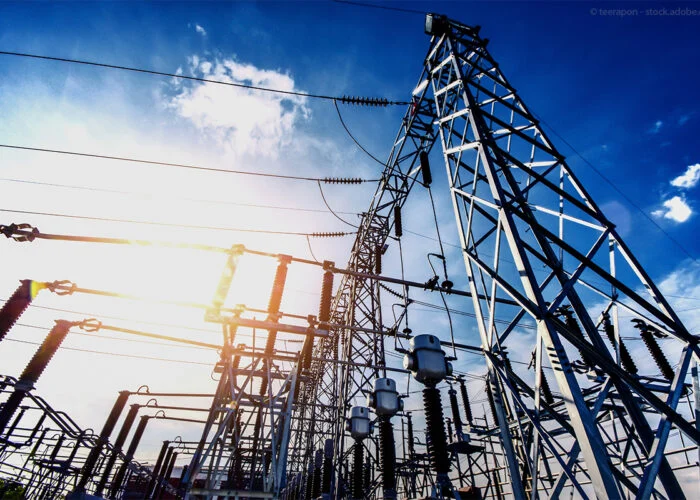
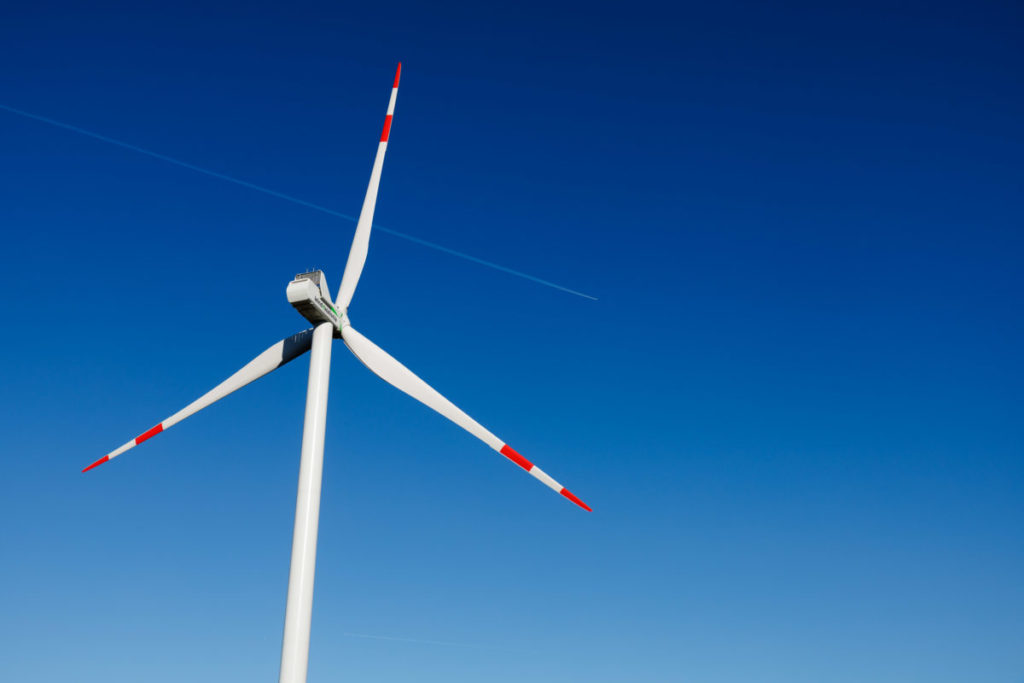
Multiple technologies were classified as ‘strategic’ inducing solar PV, solar thermal, batteries and storage, onshore wind and offshore renewable energy and grid technologies, to name a few.
The EC added that these technologies would receive particular support and were subject to the 40% domestic production benchmark.
“(The act) will enable the development in Europe of projects in key sectors such as batteries, solar cells, hydrogen and wind turbines, as well as all other projects in the connected value chains. This will help us deliver on the Green Deal objectives whilst ensuring a level playing field,” said Margrethe Vestager, executive vice president for a Europe fit for the digital age.
At the same time, the EC has announced the Critical Raw Materials Act to diversify its imports of critical raw materials. It admitted that Europe heavily relies on imports, which are often from ‘quasi-monopolistic third country suppliers’, and will not be self-sufficient in supplying such raw materials.

Therefore, the EU will diversify its raw material supply chain with no more than 65% of its annual consumption of each raw material from a single third country and seek ‘mutually beneficial’ partnerships with emerging markets and developing economies.
However, some industry players worried that the act might slow solar deployment.
“The current proposal is asking member states to reduce support for technologies from dominant geographies in the supply chains, like solar PV. We worry that the act and related proposals offer a stick but not a carrot,” said Dries Acke, policy director of SolarPower Europe.
Acke added that financing solar plants in Europe could help avoid the risk of slowing solar deployment. “We need a dedicated financial vehicle for European solar manufacturing, like a solar manufacturing fund or a dedicated EU equity instrument, covering both capital expenditure and operating expense,” he commented.
More to follow…