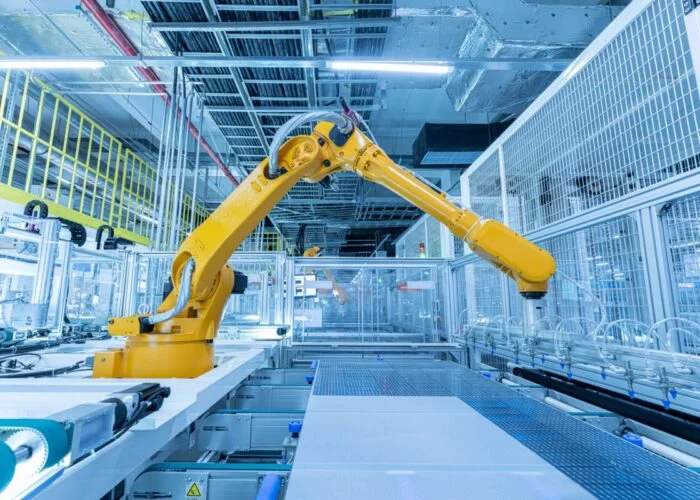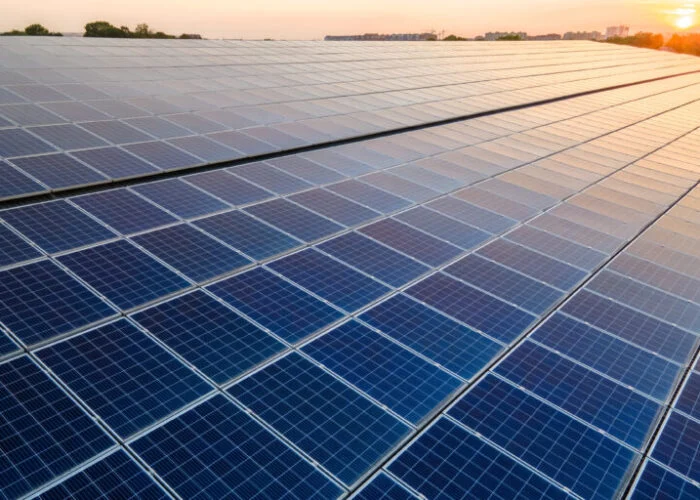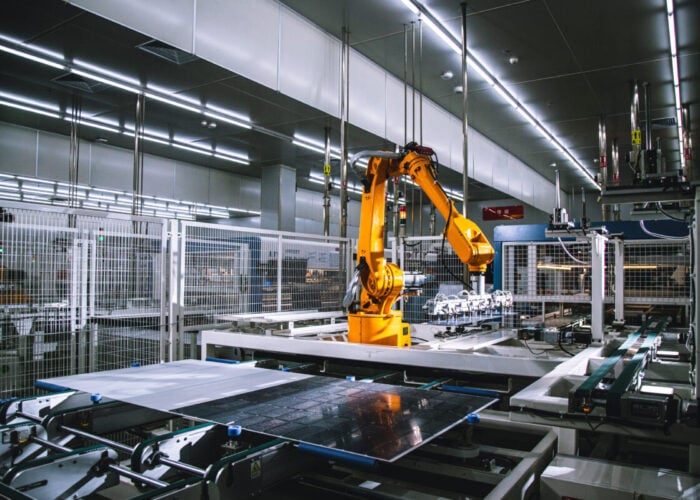
The Rural Electrification Agency (REA) of Nigeria has announced plans to build a 1GW solar module manufacturing facility in the country.
The initiative is a joint venture between the REA, Nigerian development vehicle InfraCorp and Dutch renewables company Solarge BV. The special purpose vehicle will be owned by the three organisations, with Solarge BV holding 49%, InfraCorp 26% and the REA the remaining 25%, and the REA has agreed to procure at least 200MW of modules a year, over five years, from Solarge’s Nigerian subsidiary.
Try Premium for just $1
- Full premium access for the first month at only $1
- Converts to an annual rate after 30 days unless cancelled
- Cancel anytime during the trial period
Premium Benefits
- Expert industry analysis and interviews
- Digital access to PV Tech Power journal
- Exclusive event discounts
Or get the full Premium subscription right away
Or continue reading this article for free
These panels will be used across a variety of government solar projects, including those supported by the National Public Sector Solarisation Initiative (NPSSI), a government programme that was launched in August.
This is a NGN1 billion (US$669,837) initiative, also backed by InfraCorp, to mobilise public and private sector financing for new distributed solar installations in Nigeria, to both advance the country’s renewable energy sector and reduce its reliance on fossil fuels, particularly natural gas, which accounted for 77.2% of domestic electricity generation in 2023, according to the International Energy Agency (IEA).
Modules built by the special purpose vehicle will also be used at projects constructed under the Renewed Hope Infrastructure Development Fund (RHIDF), a separate finance-raising vehicle for national infrastructure projects introduced in 2024.
“This partnership exemplifies the type of innovation and collaboration that the federal government seeks to promote under the Renewed Hope Infrastructure Development Fund,” said director general of the Nigerian Budget Office Tanimu Yakubu Kurfi of the new module manufacturing plant. “It not only supports our fiscal sustainability goals but also deepens Nigeria’s industrial base and energy self-reliance.”
Building domestic solar manufacturing capacity has become very popular as of late in the solar industry, as companies and national governments look to insulate supply chains from global geopolitical disruption. While several Indian companies have advanced cell and module manufacturing projects, building domestic manufacturing capacity in markets such as the US and Europe has been more challenging.
A combination of many African countries’ desires to improve their domestic renewable energy generation, and the fact that many countries are not subject to the same tariffs the US has imposed on many Southeast Asian countries, means that there has been an uptick in solar component imports and manufacturing in many African countries. Earlier this year, Ember reported that African imports of Chinese solar panels in particular had increased 60% year-on-year.
Recent developments in African PV manufacturing have often been backed by foreign supporters; in August, Bahraini, Chinese, Egyptian and Emirati groups announced plans to build a 4GW solar, 1GWh storage manufacturing facility in Egypt.