Solar PV installations in Germany for the first three months of 2026 decreased by 6% year-on-year as demand for residential solar systems declined, according to the German Solar Association (BSW-Solar).
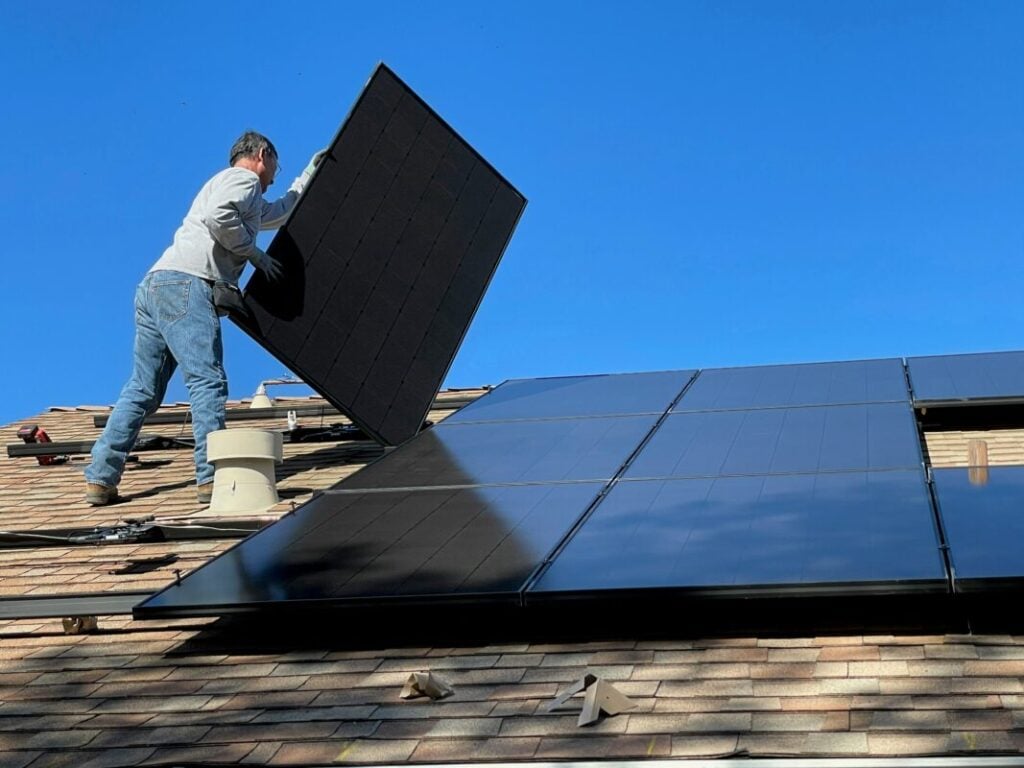
Based on data from the Federal Network Agency, solar installations reached 3.51GW in the first quarter of 2026, with residential installations decreasing by 21% year-on-year to 850MW. This is the second year in a row that the residential sector is slowing down in the opening quarter of the year.
Try Premium for just $1
- Full premium access for the first month at only $1
- Converts to an annual rate after 30 days unless cancelled
- Cancel anytime during the trial period
Premium Benefits
- Expert industry analysis and interviews
- Digital access to PV Tech Power journal
- Exclusive event discounts
Or get the full Premium subscription right away
Or continue reading this article for free
BSW-Solar has warned against further subsidy cuts for PV systems that could drive installations further down. Indeed, the draft of the Renewable Energy Sources Act plans to cut any compensation for newly built PV power systems of up to 25kW – be they residential or commercial – feeding power to the grid from 2027. Regarding the new legislation, the trade body recently said that if it were to pass as is, it would slow the expansion of solar PV and jeopardise tens of thousands of jobs.
Another segment that also registered a year-on-year decrease is commercial rooftop solar, with installations totalling 600MW in Q1 2026, a 33% drop.
Balcony solar, for which Germany is one of the leading markets globally, also registered a decrease by 6% from the same period last year.
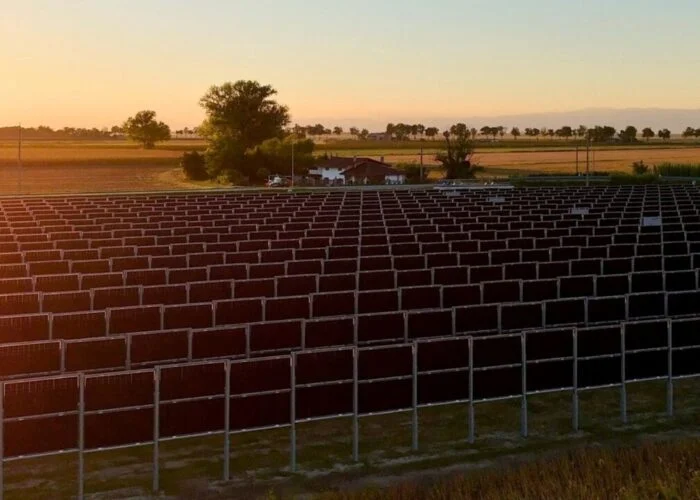
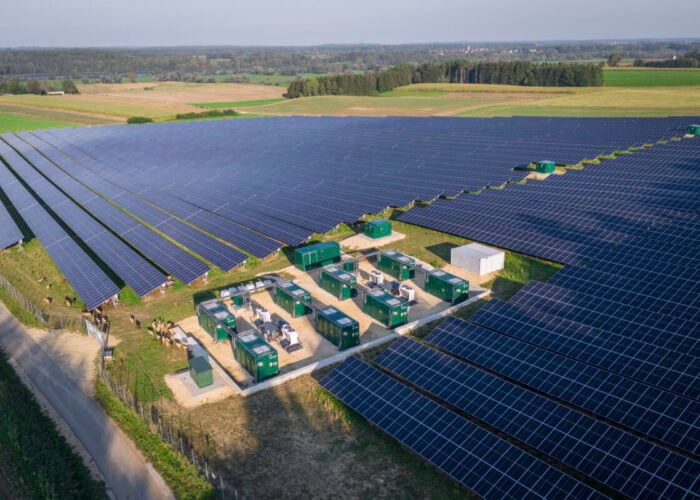
The only segment to experience year-on-year growth was ground-mounted solar, which accounted for more than half of all solar PV installed in Q1 2026, totalling nearly 2GW. This represented a 20% year-on-year increase, but was not enough to cover the drops in the residential and commercial segments.
Despite a general slowdown in solar PV installations in the first three months of the year, the trade body expects a slight increase in the coming weeks due to the conflict in the Middle East, as well as to pull-forward effects in anticipation of potential subsidy cuts.
“A temporary solar boom, should it occur, is no substitute for reliable investment conditions,” said Carsten Körnig, BSW’s managing director.
Simplify co-located regulatory frameworks
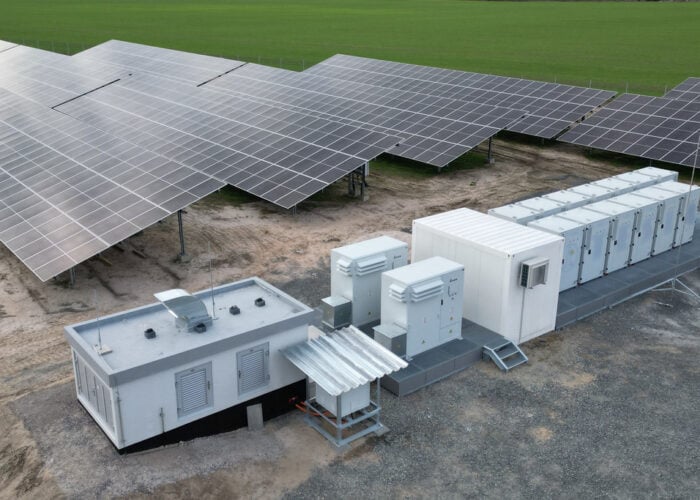
Solar PV’s slowdown in Q1 2026 contrasts with the strong increase from energy storage, which registered a record first quarter with 2GWh of new capacity commissioned. This represents a 67% year-over-year increase. The record growth primarily came from large-scale storage systems of 1MWh or more, with a nearly fourfold increase from the previous year, with over 1GWh in Q1 2026.
The German trade body called for simplified regulatory frameworks for co-located storage, in order to enable the technology to reach its full potential. BSW-Solar also added that batteries should be made available to store electricity during negative electricity prices and grid congestion, rather than curtail PV systems.
This month’s Renewables Procurement & Revenue Summit, to be held from 20-21 May in London, will be hosted by PV Tech publisher Solar Media and cover PPA design, tackling high energy prices and more; for more information, including the full agenda and ticket options, visit the event website.